
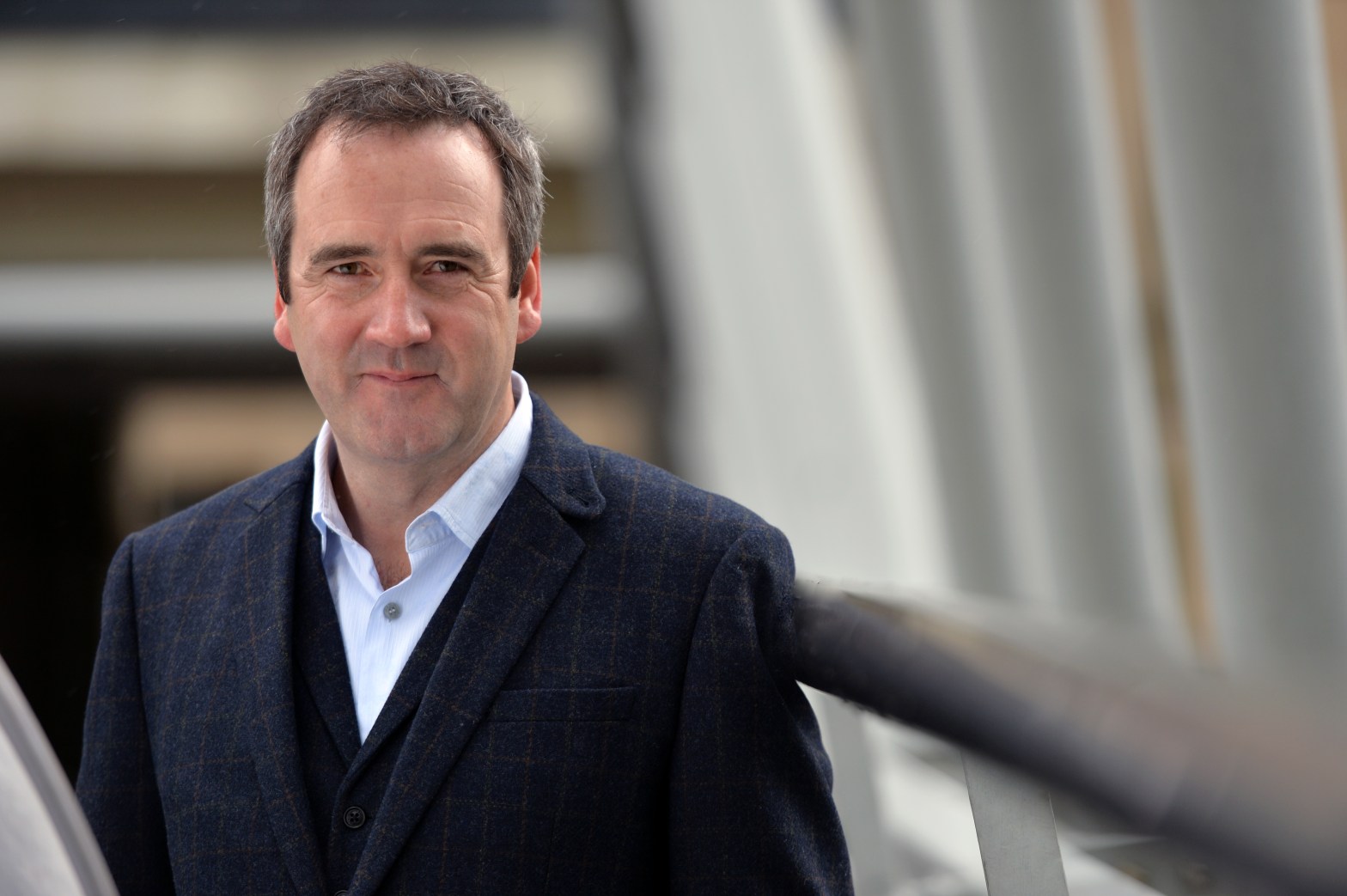
Steven Morris, Chairman, ESM Investments (part 2)
June 2021
Many founders who exit their business find a yearning gap, sleepless nights, even a sense of grief. Founders go from driving a business at 100 miles an hour to being parked up and handing over the keys. That can be an uncomfortable experience.
When Steven Morris entered that abyss after exiting his first company, ETV Interactive, he felt that same discomfort. There was no grand plan to build an early stage technology investment company. There was no clear vision at all of the next big thing.
And for several months, Steven did nothing. He tried to retire, aged 48, not recognising a desire for any future career. He travelled a lot with his wife Fiona and their young children, Sam and Emily. They bought a second home in Spain. And he decompressed from the near burn-out which had accumulated from running ETV and being an integral part of the senior executive team that acquired ETV, trying not to worry too much about what might come next.
But even though he had no financial worries, Steven suffered from a few sleepless nights. The insecurity became overwhelming. He even seriously considered going to speak to the UK Benefits Agency (Fiona talked him out of it). But it wasn’t about the money; it was about purpose – that thing that makes you get out of bed, be happy to do so, and achieve something meaningful.
At this point, Steven realised that he wasn’t ready to retire. But he had no real idea of what he wanted to do next.
A process for finding new purpose
So what was his process? As a technology founder that had created a pioneering software business designing, developing and distributing video on demand, in-room entertainment and digital television services for hotels, Steven knew what it takes to create a commercial proposition. So, he would apply that same thinking to himself.
First, he took a large helping of self-awareness, and wrote down all the things he didn’t want to do. That meant several key decisions: no working full time for another company; no working for a boss; no employees; no 9-to-5 job; no shareholders; and no more hard slog. And, despite having an enormous black book of connections in the hospitality technology sector, Steven was also adamant he didn’t want to operate in that same sector. It was time for a change.
“One thing was that I’d worked in that sector for 15 years and wanted a change. But more importantly, I just didn’t have the conscience to develop a ‘new and improved’ hospitality tech solution that would compete with the business I had just left. That just didn’t feel right to me.”
Having ruled out 90% of the potential options, the next stage in Steven’s process was simple: have lots of conversations. He sought out people that had gone through the same journey, as well as trusted friends and connections that knew him and his personality.
Through those conversations, the clouds began to lift. Steven wanted to choose who he worked with. He wanted to help entrepreneurs achieve their ambitions, especially those that realised they needed more than just investment money. He wanted to give more in a non-executive capacity as an advisor, rather than a hands-on consultant. And he finally wanted to enjoy a real balance between work and life.
As a result, a window of opportunity opened. He created ESM Investments, an early stage technology investing group that supports technology start-ups and scale-ups. As the chairman, Steven leads a group of other investors that help the next generation of budding tech entrepreneurs to solve problems and make an impact.
Having met dozens of other investors – who have often sold their own businesses like Steven did – over the past decade, he’s noticed that exiting founders usually go one of two ways when it comes to their next career move:
“They either turn right back into a full-time job, as they’re unable to cope with not having ‘control’. Or they turn left and adopt a different work/life balance by building a portfolio of interests. These types are less about having control, and more about diversifying and accepting they no longer need control (or want that responsibility) to achieve their new purpose.”

The future of tech start ups
It’s now 10 years on since Steven set up ESM. There have been wins and losses. Two of the first investments have come to fruition, with a partial exit from investments in Adimo and a full exit from an investment in TS3 Services. And Steven aims to put the experience of the first decade of ESM to good use in the second decade. So, what’s next for ESM and for Steven?
ESM is close to completing the digitisation of the business to make it less reliant on manual processes around due diligence, GDPR, money laundering and event management, not to mention a reliance on Steven himself.
Steven also wants to inject more capital into Scottish technology businesses and bring more investments to fruition for ESM’s members. He is even looking to build a fund that enables more entrepreneurs and investors to benefit from the ESM model.
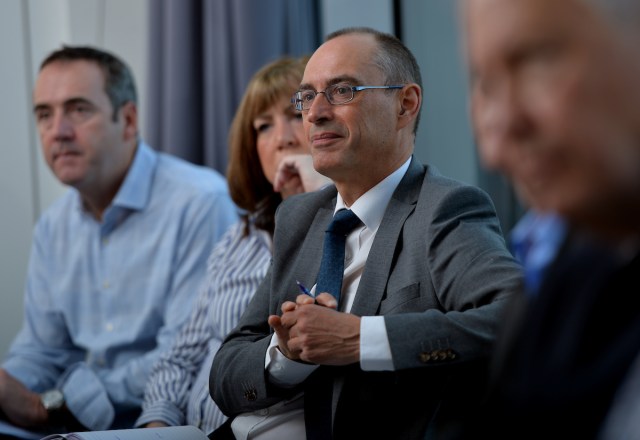
Steven is always on the look-out for new investments. They look as closely at the founder as they do the technology itself: are the founders open to advice; do they have a commercial mindset; can they answer the ‘so what’ question; are they trying to make an ‘impact’?
“Half the founders I meet just think they need money. The other half are also looking for board level experience. ESM is an entrepreneur-to-entrepreneur investment company so you can imagine which ones we’re interested in working with.”
Most tech founders have technical expertise. What sets apart the successful founders are those that also have a commercial mindset – or at least an open mind to commercialisation and a willingness to be helped with achieving their own life’s purpose. And those are precisely the kind of people that Steven looks for as he seeks to achieve his own purpose.
 theleadstory.co